

Moving to a new home can be an exciting prospect, but it’s also widely acknowledged as a significant source of stress and effort. One of the most crucial steps you can take to minimize anxiety and avoid unexpected costs is to obtain thorough moving estimates. Understanding how moving companies calculate their charges and what is included in their services is vital for a smooth transition, ensuring you are prepared financially and logistically for the journey ahead.
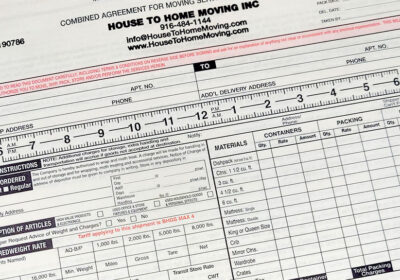
When seeking estimates, it’s important to distinguish between instant “ballpark” figures and more accurate, detailed quotes. While many movers offer quick online estimates, these are generally only useful for a rough idea of cost, as every move is unique. A more reliable approach is to opt for movers who inspect your home in person, especially for moves across state lines, where federal regulations may even require a physical survey unless waived. It is highly recommended to gather quotes from at least three moving companies to provide context for pricing and help identify any potential red flags. These estimates can come in different forms: a nonbinding estimate (an educated guess, with the final bill potentially up to 110% of the quote at delivery), a binding estimate (a guaranteed price if nothing changes), or a binding-not-to-exceed estimate (a guaranteed maximum price that could be lower if the actual weight is less than estimated).
The method movers use to calculate costs often depends on the type of move. For local moves (typically under 100 miles within a state), companies generally charge an hourly rate based on the number of movers and trucks required, with some states like California mandating “double drive time” to account for the round trip. In contrast, long-distance moves (crossing state lines or over 100 miles within a state) are primarily priced by the weight of your belongings and the distance they are traveling. Regardless of the move type, be aware of possible additional charges for services like packing materials and services, long carries, stairs, elevators, shuttle services, or the handling of large or specialty items like pianos. Always ask what is included in the quoted hourly rate or base price.
Understanding how your belongings are protected during the move is another critical aspect of getting an estimate. Moving companies typically offer valuation coverage, which is not the same as full-coverage insurance. All licensed movers include a basic valuation, which in California is often $.60 per pound per item. This means a one-pound bag of sugar and a one-pound bag of diamonds would be valued identically at $.60. For greater protection, you may purchase additional valuation coverage directly from the moving company, such as Full Value Coverage (covers replacement cost) or Actual Value Coverage (covers current worth). Alternatively, you can purchase actual insurance from a third-party company. It’s crucial to declare high-value items beforehand so movers can pack them properly and understand their liability.
Finally, when reviewing moving quotes and selecting a company, keep several key tips in mind. Never sign blank or incomplete documents, as this could allow movers to add charges you didn’t agree to. For long-distance moves, prioritize companies that charge based on shipment weight rather than cubic feet, as weight-based pricing is generally more transparent. Always ensure the company provides an accurate and complete inventory list of all items to be moved. Lastly, consider your moving date, as prices can fluctuate significantly depending on the time of year, with summer being more expensive. By following these guidelines, you can make an informed decision and ensure a more predictable and less stressful moving experience.