
The process of packing for a move should begin at least one month in advance to avoid the stress and panic of a last-minute rush. You can make the task manageable by setting small goals, such as packing one box per day or tackling a single room each week. It is best to start with non-essential items that are not needed for daily life, such as seasonal decor, framed photos, trinkets, and books. Packing these items first allows you to take your time wrapping fragile pieces while also providing a visual sense of progress as shelves begin to clear. Starting early also gives you a necessary buffer to adjust if your moving date changes or if you realize you need more supplies than expected.
Before you place any items into containers, you should ruthlessly declutter and purge your belongings to ensure you are not paying to move things you no longer want. Categorizing your possessions into groups for keeping, donating, selling, and tossing helps you understand the actual volume of the move. Selling high-value items like electronics or furniture through online marketplaces can help defray moving costs, while donating usable goods to local charities simplifies your inventory. You should aim to get rid of anything that does not spark joy or that has been outgrown in style. This preparation ensures that the effort of packing and the space in the moving truck are reserved only for items that will be functional or loved in your new home.
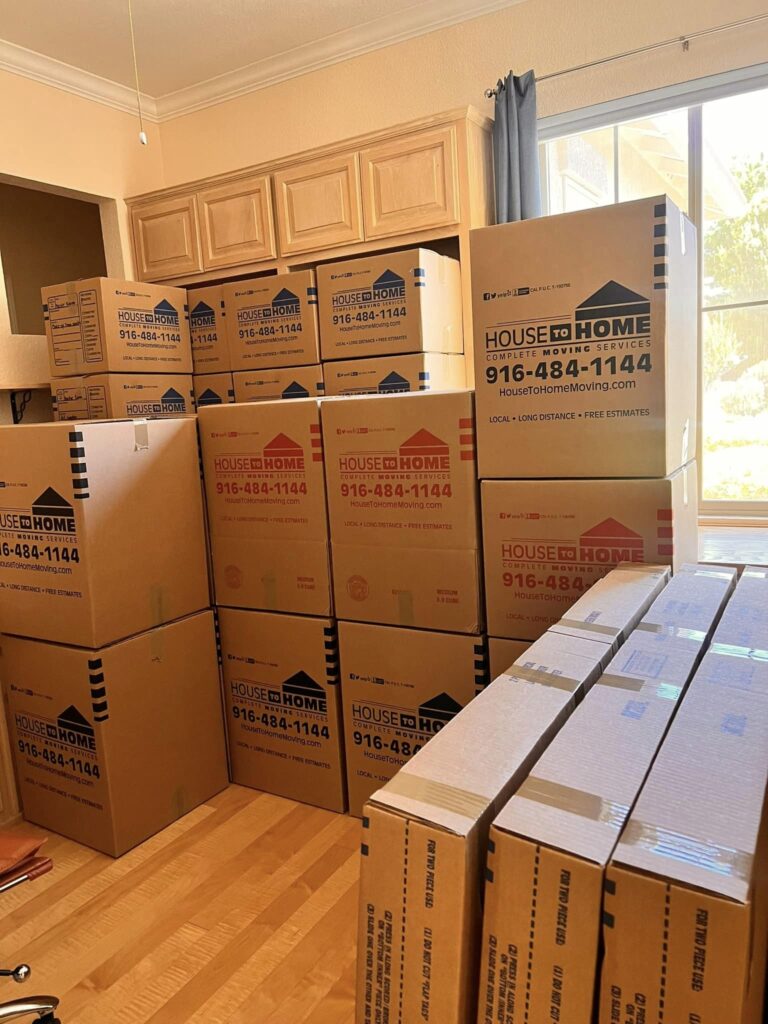
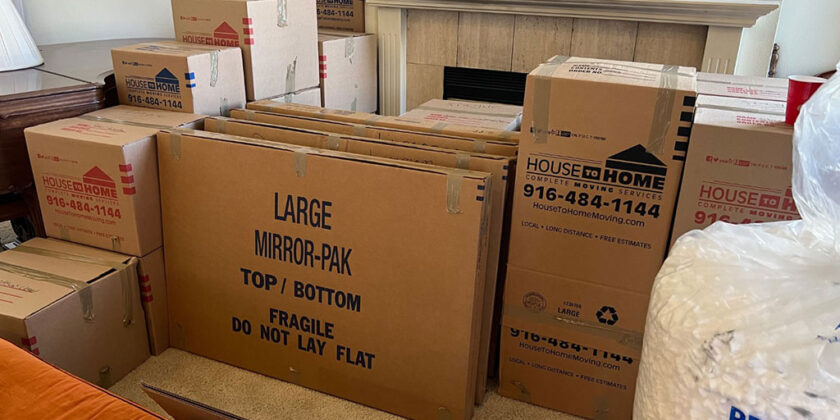
Choosing the right boxes is essential for an efficient move, and using uniform, matching sizes makes it much easier to stack them securely in a truck or container. While cardboard boxes can often be acquired for free, reusable plastic bins offer more durability and can be used for long-term storage after the move. For heavy items like books, files, and paperwork, bankers boxes are highly recommended because they are strong, require no packing tape, and are easy to assemble. You should also avoid the temptation to move loose items in grocery bags; instead, ensure that everything is in sturdy, well-packed boxes or bins to make the loading process faster for movers.
Proper weight distribution is a critical safety factor when packing boxes to prevent them from bursting or causing physical injury. You should always pack heavy items like books and weights in small boxes to keep the load manageable. As you fill a box, you should regularly lift it to check how heavy it is becoming; once it reaches a certain weight, finish filling it with lightweight items like pillows, tissue boxes, or clothing. Ideally, no individual box should weigh more than 25 pounds, especially if it must be carried up or down stairs. If a box is particularly heavy, you should clearly label it as “Heavy!” to warn movers and helpers to prepare their backs.
To prevent damage during transit, boxes should be packed fully so that there are no large gaps for items to shift around. You can save money on packing materials by using your own soft goods, such as towels, linens, blankets, and sweaters, to pad furniture and wrap breakables. Filling in awkward nooks and crannies with small items like rolls of toilet paper or socks helps create a solid, protected layer inside the box. This is particularly important if you are using a moving container or POD, as items within those containers can experience a very rough trip and require strategic padding to survive.
Fragile items require specialized packing techniques, such as placing plates on their sides like records to reduce the stress on each individual piece. Glassware and mugs can be protected by using cardboard grids or special inserts that keep the items separated and stable. For plants or delicate foliage, wrapping them in newspaper allows them to breathe while providing a layer of protection against being squashed. You should also consider lining the base of boxes with plastic bags to prevent damp soil or potential leaks from rotting the cardboard and causing the bottom to fall out. Leaving the lids of plant boxes open until the last possible minute maximizes light absorption before they are moved into darkness.
There are several hacks that can significantly speed up the packing of closets and kitchens. For your wardrobe, you can leave clothing on its hangers, tie the hangers together with elastic bands, and slide the entire bundle into a garbage bag for easy transport and unpacking. Kitchen pots and pans, which are often awkwardly shaped for square boxes, may fit more efficiently into suitcases due to their malleable sides. You can also protect fragile mugs by sliding them into clean socks to provide instant cushioning. Furthermore, breakable items or small trinkets can be tucked inside sturdy shoes for extra protection and to save space.
A systematic labeling method is vital for staying organized, and you should label all sides of each box rather than the top so the information is visible when they are stacked. Using a numbering or lettering system, such as “K1” for the first kitchen box, and keeping an itemized list of contents on your phone allows you to search for specific items quickly. This is much easier than writing an exhaustive list of contents directly on the box and helps you direct movers to the correct rooms. Color-coded labels are another excellent tool for identifying which box belongs in which room at a glance.
You should pack a dedicated essentials or “first-night” bag containing items you will need immediately upon arrival, such as toiletries, medications, chargers, and a few changes of clothes. Creating individual “comfort boxes” for family members and pets can also ease the transition; these might include favorite blankets, toys, and snacks to help everyone feel at home on the first night. It is also important to keep a specific box for furniture hardware and essential tools like screwdrivers and wrenches so you can reassemble beds and tables right away. Keeping these critical items in your personal vehicle ensures they are not lost or delayed by the moving truck.
As you finalize your packing, create a packing supply bag containing tape, markers, and box cutters and keep it out until the very last second for last-minute needs. Taking photographs of the contents of each box before you seal it provides a helpful digital inventory and proof of condition for insurance purposes. When finishing a room, take remaining daily-use items out of drawers and cabinets and leave them on open counters so they are visible and not accidentally forgotten. Finally, make sure all loose items are boxed or bundled together to avoid the inefficiency of making dozens of small trips to carry odds and ends by hand.