
A binding estimate is basically a guarantee from a mover about exactly what your move is going to cost. If they give you this type of quote, they are legally locked into that price as long as the list of items you are moving stays the same. It is widely considered the only way to truly guarantee your final price before the moving truck even shows up.
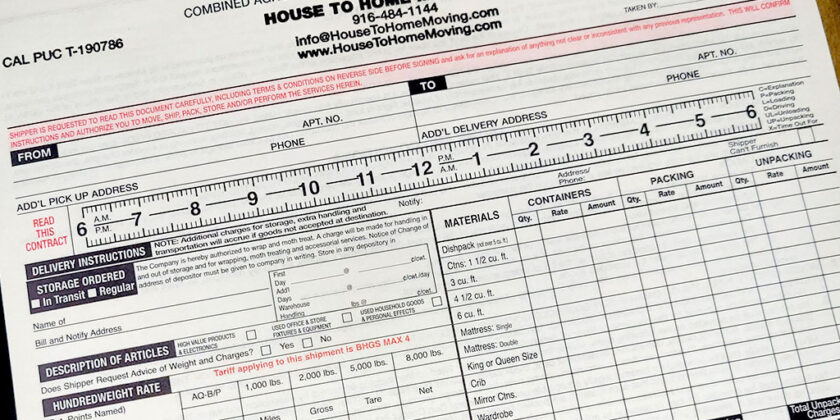
To make sure this estimate is accurate, the company usually needs to come to your house and see your stuff in person. In fact, if you are moving across state lines and live within 50 miles of the mover, they are required by law to base their written estimate on a physical survey of your belongings. This survey creates a detailed inventory, sometimes called a cube sheet, which lists every piece of furniture and an approximate box count to prevent any pricing surprises later.
You should also look out for a variation called a “binding-not-to-exceed” estimate. This is often the best deal for you because it sets a maximum cap on your moving costs, but allows the price to drop if your shipment ends up weighing less than the original guess. It is essentially a promise that if the move takes less effort or weight than expected, you get the savings, but if it goes over, the moving company covers the extra cost.

The most important thing to remember is that this price guarantee only applies to the specific items listed on your inventory sheet. If you decide to add a few more boxes, a heavy appliance, or a new piece of furniture after the estimate is signed, the mover has the right to adjust the price. The contract is a “two-way street” where the company honors the price as long as you only move the specific items and quantities you agreed upon.
Choosing a binding quote over a non-binding one is a huge help for your budget. With a non-binding estimate, the company is just giving you their best guess, and they can technically charge you more—up to 110% of the quote at the time of delivery, with the rest billed later. Getting everything in writing as a binding agreement ensures you won’t deal with “bait-and-switch” tactics or massive unexpected spikes in your final bill.